
Turkey has become one of the most important sourcing hubs for disposable hygiene products. Importers in the Middle East, Africa, Central Asia and Europe buy Turkish baby diapers because they combine European-level quality with competitive prices and short shipping times. This guide walks distributors and wholesalers through the full import process, from choosing a manufacturer to receiving a full container.
Why import baby diapers from Turkey?
Turkish diaper manufacturers have invested heavily in modern, high-speed production lines over the last two decades. For importers, the main advantages are:
- Location: Turkey sits between Europe, the Middle East and Africa, so sea freight to most destination ports takes days or a few weeks, not months.
- Quality standards: leading factories work under ISO 9001 quality management and ISO 22716 Good Manufacturing Practice (GMP), and many hold market-specific registrations such as EAC for the Eurasian Economic Union.
- Flexible orders: most manufacturers accept mixed containers, so you can combine several sizes, brands and even product categories in one shipment.
- Private label capability: factories with in-house printing can produce diapers under your own brand.
Step 1: Define your product range
Before contacting suppliers, decide what your market needs. Prepare a short brief that covers:
- Sizes: newborn (1) to junior or XXL (6). Mid sizes (3 and 4) usually sell fastest.
- Pack formats: mini, classic, jumbo or super jumbo packs. Larger packs suit supermarkets and price-sensitive markets; smaller packs suit small shops and first-time buyers.
- Product type: open (tape) diapers or pull-up pants, and whether you also need adult diapers or wet wipes.
- Branding: the manufacturer’s own brands, or your private label.
- Packaging language: Arabic, French, English or other languages required by your market.
Step 2: Choose and verify a manufacturer
Work directly with a manufacturer rather than a trading company whenever possible. You get better prices, faster answers and full control over quality. When evaluating a supplier, ask for:
- Copies of quality certificates (ISO 9001, ISO 22716 GMP) and any registrations needed for your country.
- Product specifications for each size: weight range, pieces per pack, packs per carton and absorbency data.
- Photos or videos of the production lines, or a factory visit.
- Export references: which countries they already ship to.
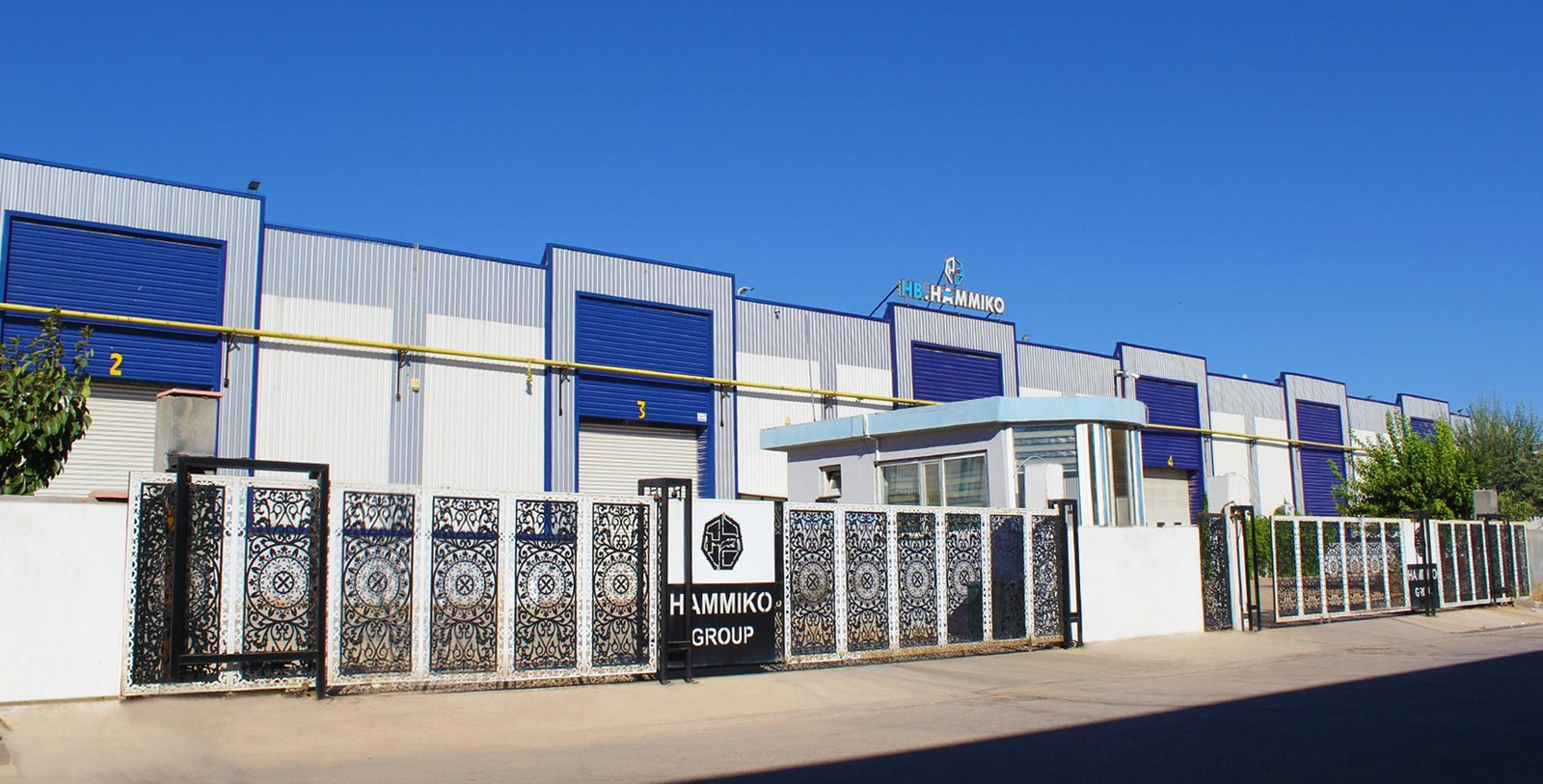
HB Hammiko, for example, manufactures in Başpınar Organized Industrial Zone in Gaziantep and exports to 43 countries. You can review our certificates online.
Step 3: Request samples and a quotation
Ask for samples of the sizes you plan to order and test them in your market. At the same time, request a quotation that clearly states:
- The price per pack or per carton for each size.
- Incoterms, for example FOB (you arrange shipping) or CIF (the supplier delivers to your port).
- Payment terms and production lead time.
- The container loading plan: how many cartons of each item fit in one container.
Step 4: Understand the minimum order quantity
Most Turkish diaper manufacturers work with a minimum order of one full container. A 40ft container is the most common choice because it lowers the freight cost per pack. Diapers are light but bulky, so the limiting factor is volume, not weight. The number of packs per container depends on pack size, carton dimensions and whether the cartons are compressed.
A mixed container lets you test several sizes and products with one order. At HB Hammiko, customers can combine diapers, wet wipes and other products in the same 40ft container.
Step 5: Agree on payment and production
The most common payment method is bank transfer (T/T): a down payment to confirm the order, with the balance paid before or at shipment. At HB Hammiko, the terms are 30% when the order is confirmed and 70% when the goods are shipped, and orders are ready within 10 days of the down payment.
For private label orders, allow extra time for packaging design approval and printing plates.
Step 6: Prepare import documents
Requirements vary by country, so check with your customs broker early. A typical shipment of baby diapers travels with:
- Commercial invoice and packing list.
- Bill of lading (sea freight) or CMR (road freight).
- Certificate of origin, issued by the Turkish chamber of commerce.
- Product certificates or registrations required in your market, such as EAC registration for Eurasian Economic Union countries.
Baby diapers are generally classified under HS heading 9619 (sanitary towels, tampons, napkins and diapers). Confirm the exact national tariff code and duty rate with your customs authority.
Step 7: Shipping and delivery
Most diaper shipments travel by sea in 40ft containers. Road freight by truck is a good option for neighbouring markets such as Iraq, Syria and the Caucasus, and air freight is only used for urgent samples. Agree on who books the freight and insurance, and track the container until it clears customs at your destination.
Common mistakes to avoid
- Ordering too many sizes at once. Start with the three or four sizes that sell fastest in your market.
- Ignoring packaging language rules. Many markets require local-language labels.
- Comparing price per pack only. Compare price per diaper and the quality of the absorbent core.
- Skipping samples. Always test the product with end users before a large order.
Frequently asked questions
What is the minimum order for baby diapers from Turkey?
Usually one full container. A 40ft container offers the lowest freight cost per pack, and many manufacturers allow mixed sizes and products.
Can I import diapers under my own brand?
Yes. Manufacturers with in-house printing can produce private label diapers. See our private label service.
How long does delivery take?
Production at HB Hammiko is completed within 10 days of the down payment. Shipping time then depends on your destination port and transport method.
Start your first order
Browse our baby diaper brands and product catalog, or read the importer FAQ. When you are ready, contact our export team at info@hbhammiko.com or on WhatsApp +90 537 693 60 00 for a quotation.